

Saturday, 13 September 2025
Early History and Colonialism
•Ancient Settlement:
People have lived in New Guinea for tens of thousands of years, developing complex agricultural systems and trading along the coast and interior.
• European Contact:
Europeans first sighted the island in the early 16th century, with the Portuguese explorer Jorge de Menezes giving the name “Papua”.
• British and German Claims:
In 1884, Great Britain claimed the southeastern portion, which became British New Guinea and later the Australian-administered Territory of Papua. Germany established its presence in the northeastern part, German New Guinea.
Australian Administration and World Wars
•Australian Rule:
After World War I, Australia was given a League of Nations mandate to administer the former German New Guinea, creating the Territory of New Guinea.
• World War II:
During World War II, Japanese forces invaded and occupied parts of the island, leading to intense fighting, particularly along the Kokoda Track.
• Amalgamation:
Following the war, the two territories were formally combined under the Papua and New Guinea Act of 1949.
Path to Independence
•Self-Government:
In the 1960s, Papua New Guinea saw increasing local participation in decision-making, with the first House of Assembly established in 1964.
• Self-Government and Independence:
Self-government was achieved in 1973, and Papua New Guinea was granted full independence from Australia on 16 September 1975, with Michael Somare becoming the first Prime Minister.
History of the Revival Centres Church in Papua New Guinea
In 1982, in a village near Lumi, revival came to PNG. It started with 28 people being baptised and filled with the Holy Spirit (speaking in tongues). From this village, the message of salvation – Repentance, Baptism and Receiving the Holy Spirit grew, and it was not long before hundreds and hundreds of people from many villages in the district were experiencing revival in their lives. The Gospel is one of signs, wonders and miracles. People were being healed and their lives changed for the better.
Over the coming years, thousands upon thousands were being baptised and filled with the Holy Spirit. Revival Centres were starting up all over the country.
The Church has overcome many obstacles. Local pastors were appointed, and then Area Leaders and houseleaders. Overseeing all this are Zone Pastors, bringing significant leadership to the work in Papua New Guinea.
Timelines:
From 1982 to 1985, the Church was centred around Lumi and grew in strength as the Gospel spread.
In 1985, the authorities had Revival Centres stopped from entering the country.
They also stopped in the rural areas, where the saints used the medical centres. This resulted in many miracles of healing at this time, and more and more people received the Holy Spirit.
Centres were now being established outside of the Lumi jungles. Moving to the coast. From Vanimo to Wewak. From Wewak up the Wewak to Lumi highway, as it met the growth of assemblies coming down the Lumi to Wewak Highway. At this stage, the work was unstoppable.
So much pressure was put on the PNG government in 1988 to allow the Revival Centres to return to the country.
May 1988 was the first trip back to the country – it was also my first trip: my first experience in PNG; their planes, their roads, their vehicles, the heat, the mosquitoes, their food and their language and culture.
It’s been 43 years since Revival Centres Church got started in the country. There are now 245 centres all over the country with around 8,500 saints plus children.
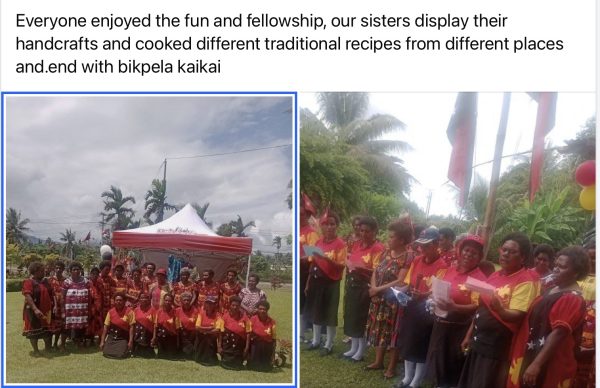
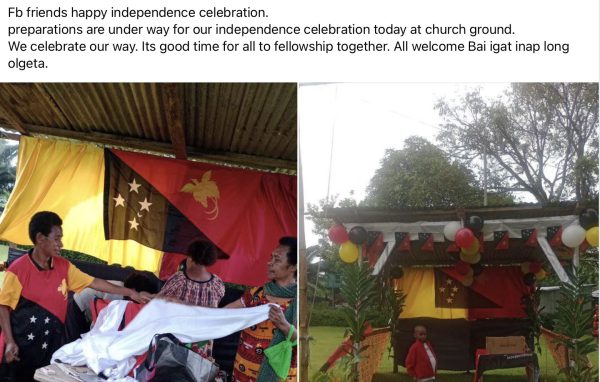
Tuesday 16th September 2025 is their 50th Independence Day celebration.
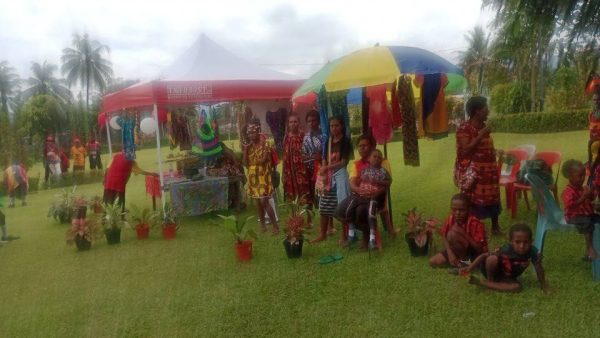
Celebrations all over the country will be happening over a two week period
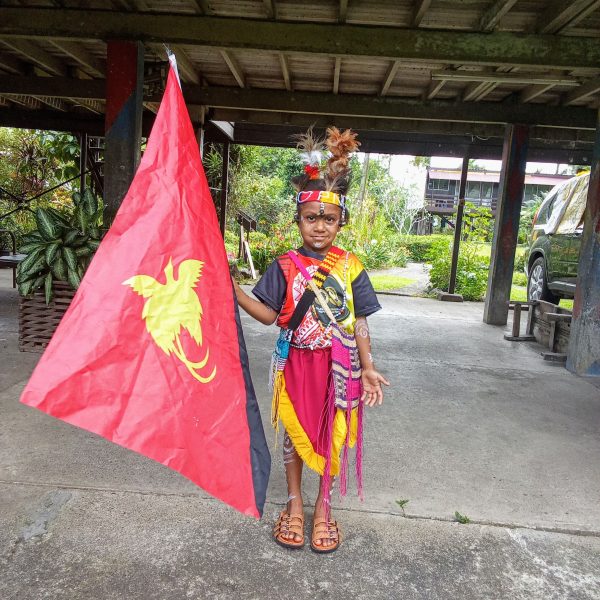
Mari Kolkoma Lae Assembly. She is 5 years old and is in elementary school.
Pastor Darcy Ryan (Brisbane)


